
ERP Software

ERP Software

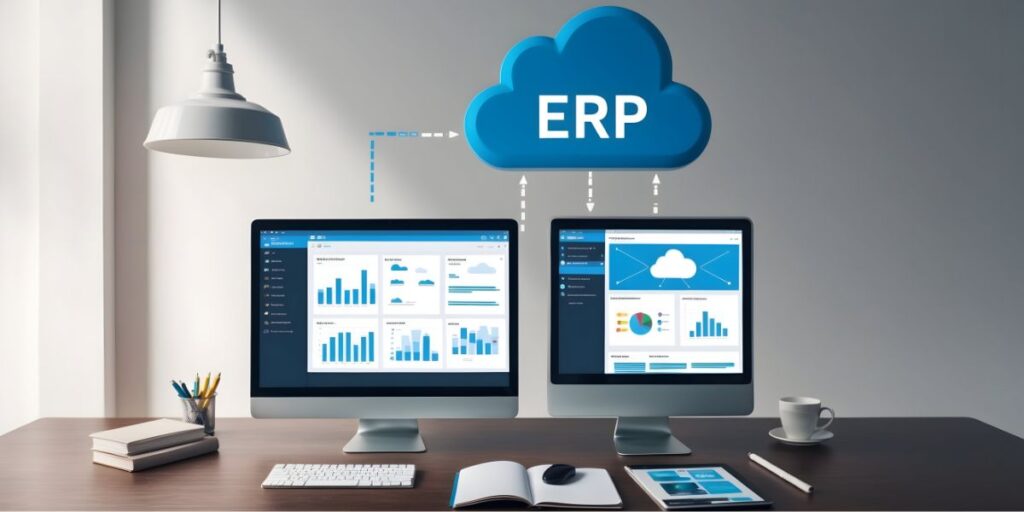
There are still many small and medium-sized businesses that doubt the necessity of ERP software. The burden of discovering and deploying a new system throughout your entire company is already too much to handle on top of the daily tasks that need to be completed. Things are finally returning to a more stable state after a few turbulent years. Your firm is operating normally, growing a little, receiving orders, making a small profit, and generally getting by. So why take a chance and invest time and resources in a new system? Osswal Infosystem ERP is tailored for small businesses to help them manage their operations smoothly. It’s designed to be user-friendly and cost-effective, making it easier for small businesses to handle tasks like inventory management, sales tracking, and financial reporting. Osswal Infosystem ERP simplifies processes, improves efficiency, and supports growth, all while being accessible and manageable for smaller companies. This article explores how Osswal Infosystem ERP is specifically implemented to benefit small businesses, highlighting its simplicity and effectiveness in enhancing business operations. Enterprise Resource Planning (ERP) ERPs are a class of business software that, by utilizing a central database that gathers data from many departments such as accounting, manufacturing, supply chain management, sales, marketing, and human resources (HR), automates company activities and offers insights and internal controls. Many stakeholders work together in any business to make things run smoothly. It gets difficult, though, when important data is dispersed throughout unconnected systems. For tracking expenses, the FP&A and accounting departments, for instance, might each have separate spreadsheets with various amounts. ERP systems facilitate efficient analysis, eliminate data conflicts, centralize data, offer cross-departmental visibility, and promote process improvements. People will be more productive and save money because they won’t have to spend as much time looking for the information they need. Top reasons to Consider Implementing ERP Below, we have outlined the top reasons for the ERP software: Our Goal Is To Become More Efficient  When it comes to stock, no company wants to be carrying more than is necessary. You can precisely determine how much stock you need for each project and when you need it with the help of an ERP system. To increase productivity throughout the whole manufacturing process, ERP software also enables you to automate a number of your activities. This translates to decreased downtime, improved resource scheduling, and less duplication. Our Current ERP Software Are Inadequate  Many businesses battle with outdated systems that, while functional in the past, are now dreadfully unable to perform the functions of contemporary ERP software. You’ll eventually discover that this isn’t sustainable for a variety of reasons, such as inadequate vendor support, knowledge gaps resulting from users quitting, or just a general lack of functionality that prevents you from receiving any useful information. Our Spreadsheet Collection Is Excessive  Although the spreadsheet was once a great tool for storing data and even performing rudimentary analysis on that data, the ERP system has long since eclipsed it. Although firms still frequently use many spreadsheets, as your business has expanded, you likely have too much data for your current spreadsheets to handle. Would you like to include one more spreadsheet in your collection? Spreadsheets are replaced with an ERP system, which compiles all of your data and provides you with responses in real time. Better Functionality Is Required  Accurate traceability is necessary for many vocations in today’s accountable society. There is no room for mistakes or delays while working in supply chains for large industries like aerospace, automotive, or defence. You’ll need a system in place that can schedule your production floor, manage your stock levels, offer complete traceability, and perform a host of other tasks if you want to bid on and win contracts in these industries. Error Reduction Is Our Goal  You have the chance to drastically lower human error using an ERP system. In cases where departments utilize stand-alone systems, each system may include inaccurate or inconsistent data. With ERP software, data entry is reduced to a single entry because everything is integrated. The correct original data is accessed by each department as it moves through the entire system. Additionally, since tasks and activities are all included in a single system, it is easy to verify their status and make sure that nothing is overlooked when your staff members are on vacation or sick leave. Consolidating Our Data And Obtaining Real-Time Information Is Crucial Do your many “best of breed” systems and spreadsheets properly integrate to provide you with a complete picture of your company’s operations, even though you may be employing a variety of them? It is challenging to decide what has to be done when all of your data is not in one location. Typically, an ERP system comes with a dashboard where your KPIs are shown and any exceptions are noted. The benefit of having all of your data in one system is that you can easily access each task since all of the order details, from the original inquiry to the invoice, are all in one location. Conclusion At Osswal Infosystem, we think that having the appropriate technology may help you grow your company profitably and simplify life for both you and your staff. Our specialists in business processes and technology are available to assist you in determining which technologies will best serve your organization, its members, and its objectives. Schedule an ERP demo right now so that we can begin analyzing your current systems, spending, and goals. It’s possible to have long-lasting, cost-effective cloud ERP solutions; all you need is the proper partner to help you get there.

6 Powerful Reasons Why You Should Consider Implementing ERP For Your Small Business Read More »
ERP System

In today’s business world, companies face many challenges like improving efficiency, simplifying workflows, and staying ahead of competitors. To tackle these, organizations need a complete solution that helps them run smoothly, make smart decisions, and grow effectively. Osswal Infosystem SAP Business One, a powerful cloud ERP software, plays a crucial role in achieving these goals. This article dives into how ERP systems, like SAP Business One, are vital for businesses of all types and sizes, highlighting their key features. ERP Software A complete software package called an enterprise resource planning (ERP) system helps organizations do essential tasks including order fulfillment, inventory control, bookkeeping, and supply chain management. This software can be placed on a company’s servers or accessed online (cloud-based). ERP systems’ main job is to gather all of the company’s data and store it in a single, central database. This makes it easier for managers to obtain the information they need to make wise decisions. The system keeps an eye on a company’s finances, shipping, and manufacturing to ensure seamless operations. Crucial Features of Modern ERP System Here we have outlined the top features of the ERP system: Scalability And Integration Seamless connection and scalability are two essential characteristics of a modern ERP system. In a networked company environment, the system must easily interface with current software programs, including supply chain management, HRM, and CRM. Through the removal of silos and guarantee of data consistency, this integration promotes effective departmental communication and cooperation. Furthermore, since a cloud-based ERP system can develop with your company and meet its changing needs, it is recommended. It should be able to accommodate growing numbers of users, transactions, and data quantities without experiencing performance issues. You can future-proof your company and guarantee an adaptable and agile solution that can expand with your company by giving integration and scalability priority. Analytics And Reporting In Real-Time Precise and current information is necessary for making effective decisions. A contemporary ERP system needs to include real-time reporting and analytics features that let you learn important things about how your organization is run. You may manage inventory levels, evaluate sales patterns, monitor key performance indicators, and generate comprehensive reports with the help of easily customizable dashboards and user-friendly data visualization tools. With real-time analytics, you can quickly make data-driven decisions that increase productivity and profitability. In a contemporary ERP system, having access to real-time analytics and reporting is essential. Making informed decisions in the fast-paced corporate world of today requires having rapid access to accurate and current information. An effective ERP software solution should have easily customizable dashboards and user-friendly data visualization tools that let users track inventory levels, analyze sales trends, and monitor key performance indicators. It should also be able to generate detailed reports in real-time, enabling businesses to see patterns, seize opportunities, and quickly resolve problems. Organizations may improve productivity, acquire a competitive edge, and optimize operations by utilizing real-time analytics. In today’s dynamic business environment, organizations can remain adaptable and make data-driven choices thanks to the strength of real-time analytics and reporting. User-Friendly Interface & Mobile Accessibility It is essential to have mobile access to company data and functions in today’s mobile-first society. Seek an ERP system that is cloud-based and mobile accessible so that you may access vital data and carry out necessary duties whenever and wherever you are. Furthermore, a user-friendly interface is essential for a modern ERP system since it streamlines the user experience and lowers the learning curve for staff members. Contextual assistance, responsive design, and intuitive navigation are important components that improve usability. Enhanced Data Protection And Security Strong security measures should be in place in a modern ERP system to shield your private information from hackers and unwanted access. Features such as data encryption, role-based access control, and routine system backups should be looked for. To protect client confidence and preserve data privacy, the ERP system should adhere to industry standards and laws like GDPR and HIPAA. Artificial Intelligence And Automation Artificial Intelligence (AI) and automation are changing how organizations run. AI technology should be used by a contemporary ERP system to automate repetitive operations, optimize resource allocation, and streamline procedures. Seek for capabilities that can offer insightful analysis and suggestions, such as machine learning algorithms, intelligent inventory management, predictive analytics, and automated workflows. Automation and artificial intelligence (AI) increase productivity and stimulate corporate growth by decreasing manual labor and boosting efficiency. Conclusion Making the correct ERP system solutions is a crucial choice that will have a big impact on the performance of your company. You must consider the availability of the aforementioned aspects when choosing a software solution. ERP is a game-changer, and we don’t simply say that. Firsthand, we have witnessed its beneficial effects on several businesses. Therefore, get in touch with Osswal Infosystem if you want more information about how to get started and put your company on the route to data-driven success.

5 Must-Have Features of ERP System for Successful Business Read More »

BI

Making informed decisions is critical to success in today’s ever-changing business market. Herein lies the critical role of business intelligence (BI). By analyzing unprocessed data to glean insightful knowledge, business intelligence (BI) empowers firms to make intelligent decisions. However, the sheer volume and complexity of data make interpretation difficult, making it necessary to use tools such as data visualization to improve the effectiveness of BI. Understanding Business Intelligence Business intelligence is the process of acquiring, analyzing, and interpreting corporate data to help with decision-making. BI gives a holistic perspective of an organization’s data setting, which is useful for analyzing market trends and monitoring internal performance. Data is paramount in business intelligence because it is the foundation for developing actionable insights. The Power of Data Visualization Data visualization Services involve the graphical depiction of information and data. It goes beyond spreadsheets and reports to transform complex data sets into graphics like graphs, charts, maps, and dashboards. The power rests in its capacity to make data easy to comprehend, allowing for faster and more informed decision-making. Data Visualization Helps Increase Business Performance Business intelligence presents information, making it easier to: Read, Interpret, or Understand Data Making Complex Data Easy to Comprehend Better Understanding of Trends and Patterns Easy Data Comparison, See the Bigger Picture Provides Context for Data and Hidden Patterns Observe Trends Real-Time Monitoring Better Decision Making Easy Forecasting of Future Trends Visualize Changes in How Data is Evolving Identify the practices consistently yielding productive results Compare Performances of Practices Measure Results for Better Outcomes Spotting Trends that Impact Business Performance Detect loopholes and work ways to bridge them Root Cause Analysis Identifying Gaps if any Getting Potential Solutions Enterprises may use business intelligence to make informed decisions and eventually improve business performance. Data visualization is crucial for helping organizations improve their business performance by readily grasping complex data and extracting valuable insights. Innovate before your competitors Today, data visualizations enable teams to make faster business and product choices —without ever having to meet with customers one-on-one. Receiving qualitative feedback from clients is still an important aspect of enhancing products and expanding a business. However, being able to collect and learn from quantitative data is becoming ever more essential. Visualize your data with us Osswal Infosystem, India’s leading ERP software provider, offers a way to monitor the pipeline. In a recent study, visualizing data and developing dashboards has increased sales by 24% while decreasing sales representative turnover by 90%. Technology is the most appropriate digital solution for business operations as the marketplace continues to determine the future of big data, business intelligence, and data visualization. Leveraging proper tools may influence everything from expense management to operational efficiency, so make sure your organization carefully selects its business intelligence and data visualization solutions.

How does Data Visualization in BI Help Enterprises in Increasing Business Performance? Read More »

CFO'S

CFOs used to turn to shared service centers, outsourcing, and offshore to increase financial advantage and reduce costs. With the introduction of ERP, company operations were standardized, consolidated, and lowered in price. In the era of artificial intelligence, CFOs and their teams must be able to quickly assess large amounts of data. These financial wizards now have the responsibility of providing their company with the information it needs to realize economies of scale and cost reductions. 360-degree automation and IT modernization are necessary to empower the CFO’s office. Implementing an Enterprise Resource Planning (ERP) system tailored for finance can significantly enhance a company’s profitability. Here’s how: Streamlined Processes: A finance-specific ERP integrates various financial processes like accounting, budgeting, forecasting, and reporting into a single platform. This streamlines operations, reduces redundancy, and minimizes errors, ultimately saving time and resources. Data Integration and Analysis: By consolidating financial data from different departments and sources, an ERP provides a comprehensive view of the company’s financial health. This allows CFOs to make data-driven decisions, identify trends, and seize growth opportunities. Cost Reduction: Automation of routine tasks such as invoice processing, expense management, and payroll can significantly reduce operational costs. Additionally, better visibility into financial data enables proactive cost management strategies. Risk Management: Finance ERPs often come equipped with risk management modules that help identify and mitigate financial risks such as fraud, compliance violations, and market fluctuations. This enhances the company’s resilience and protects its profitability. Scalability and Flexibility: As businesses grow and evolve, their financial needs change as well. A finance ERP provides scalability and flexibility to adapt to these changes, whether it’s expanding into new markets, launching new products, or restructuring operations. Improved Decision-making: With real-time access to accurate financial data and advanced analytics capabilities, CFOs can make informed decisions faster. This agility is crucial in today’s fast-paced business environment. Enhanced Compliance: Finance ERPs often come with built-in compliance features that ensure adherence to regulatory standards and industry best practices. This reduces the risk of non-compliance penalties and reputational damage. Customer Insights: Some finance ERPs include customer relationship management (CRM) functionalities, allowing CFOs to gain insights into customer behavior, preferences, and profitability. This information can inform strategic decisions and enhance customer satisfaction. Finance ERP – Future for Corporate Profitability Finance departments need to have prompt access to the appropriate information and data in the fast-paced, highly competitive corporate environment of today. Finance and business leaders may automate procedures, optimize operations, and make well-informed decisions with real-time, data-driven insights, establishing the groundwork for future autonomous planning. With the ever-changing corporate landscape, CFOs need to be able to forecast with accuracy and speed. They have to find creative ways to generate profitability, resilience, and business continuity while navigating tighter budgets. Professional Assistance and Perspectives for Improved Financial Decision-Making Innovative finance executives are actively removing obstacles to embracing technology breakthroughs all across the world. They are deploying distributed data governance techniques and creating dependable data versions, allowing them to move forward with confidence and enhance their organizations for the future. By consolidating all finance data into a single source of truth, SAP B1 enhances the analytics capabilities of finance teams, providing a robust platform for improved decision-making and strategic planning. For CFOs seeking transformation, SAP Business One ERP software from Osswal Infosystem offers a powerful solution. It speeds up process efficiency, harmonizes data, and cuts down on bookkeeping time, all of which improve decisions made by organizations.

Finance ERP: The Future CFO’s Best Friend for Increased Profitability Read More »

Data Analytics

Over time, the way data is accessed, gathered, and managed has been profoundly affected by technological developments in data analytics. These days, businesses have access to cutting-edge technologies, interesting tools, and efficient procedures for interpreting, finding, and applying insights. New technology and trends develop regularly, increasing best practices and shortening vicious data cycles. Although it can be difficult to forecast precise trends for the year 2024, the following trends in data analytics should be monitored, according to the trajectory of industry developments and technology improvements: AI-driven Analytics Data analysis will see a growing amount of use from machine learning (ML) and artificial intelligence (AI). Businesses will be able to make data-driven decisions more effectively thanks to AI algorithms, which will automate insights discovery, anomaly detection, and predictive analytics. Data Democratization Encouraging non-technical users to access data will remain a top priority for all companies. Employees at all levels will be empowered to extract insights from data through self-service analytics tools and platforms, promoting a culture that is driven by data. Real-time Analytics Real-time data analysis will become more and more in demand as companies need to react quickly to shifting market conditions and obtain quick insights. Technologies like stream processing and in-memory computing will make large-scale real-time analytics possible. Privacy and Ethics With growing concerns about data privacy and ethics, there will be a higher priority on maintaining appropriate data practices. Corporations’ ways of gathering, storing, and analyzing data will be influenced by regulatory frameworks like GDPR and changing data privacy legislation. Edge Analytics Edge analytics will increase as the Internet of Things (IoT) grows. Applications needing real-time insights, including predictive maintenance and IoT-driven automation, can benefit greatly from data analysis at the network’s edge, closer to the data source, as this will lower latency and bandwidth consumption. Blockchain for Data Integrity Blockchain technology will be used more and more to guarantee data transparency and integrity, particularly in the healthcare, banking, and supply chain management sectors. An unaltered record of data transfers through blockchain technology can improve security and trust. Augmented Analytics AI, ML, and human intelligence combined with augmented analytics will become prevalent. By automating data preparation, insight creation, and natural language processing for data querying, these technologies will help analysts and increase the accessibility of analytics to a wider audience. Explainable AI (XAI) The growing usage of AI in decision-making procedures will necessitate the development of explainable AI models. Through XAI approaches, people will be able to better trust and hold AI-driven insights more accountable by understanding how the systems arrive at their conclusions. Hybrid and Multi-Cloud Analytics For their analytics workloads, businesses will combine on-premises, public cloud, and private cloud infrastructures. Solutions for hybrid and multi-cloud analytics will make data processing and storage more flexible, scalable, and redundant. Data Governance and Management Organizations will need to have effective data governance and management to guarantee data security, compliance, and quality. Organizations may manage their data assets more efficiently with the use of automated data categorization, metadata management, and data lineage tracking. Conclusion To fully utilize data in business and society, it is essential to recognize patterns in the data. All firms will need to prioritize maximizing value through data in the future. Analyzing data and generating insights that can lead to real-world business results are necessary for this. Ensuring the accuracy of our data and responsibly handling the information are paramount. By sharing information, we at Osswal Infosystem transform it into an asset that fuels innovation and collaboration within and beyond boundaries. For more details on using data observability or other solutions to grow your enterprise into a profitable venture, feel free to contact us as we are the best ERP software provider in Pune.

Data and Analytics Trends 2024 Read More »

ERP Trend

The software suppliers that businesses depend on must adapt their offerings better to suit the needs of the upcoming generation of enterprises, just as companies must change to meet the difficulties of the modern world. And that includes ERP. In 2024, the Enterprise Resource Planning (ERP) landscape is undergoing a significant transformation driven by technological advancements, changing business needs, and evolving customer expectations. Here are some key trends shaping the ERP industry: 1. Cloud Adoption Cloud-based ERP solutions continue to gain traction due to their scalability, flexibility, and cost-effectiveness. Organizations are increasingly moving away from on-premises systems to cloud-based ERP solutions to streamline operations, improve accessibility, and enhance collaboration. 2. AI and Machine Learning Integration AI and ML are being integrated into ERP systems to automate routine tasks, provide predictive analytics, and optimize decision-making processes. From demand forecasting and inventory management to predictive maintenance and fraud detection, AI-powered ERP solutions are helping organizations drive efficiency and innovation. 3. Focus on User Experience One of the key differentiators for ERP companies is user experience (UX). To increase user adoption and productivity, modern ERP systems are built with mobile accessibility, customizable dashboards, and easy-to-use interfaces. Vendors are putting more emphasis on UX enhancements to make ERP systems intuitive to use and navigate across many platforms. 4. Industry-Specific Solutions ERP vendors are increasingly offering industry-specific solutions tailored to the unique needs of various sectors, such as manufacturing, retail, healthcare, and finance. These industry-specific ERP solutions provide specialized functionalities, compliance support, and best practices to help organizations address specific challenges and achieve their business objectives more effectively. 5. Integration with Emerging Technologies ERP systems are integrating with emerging technologies such as the Internet of Things (IoT), blockchain, and augmented reality (AR) to enable new capabilities and drive digital transformation. For example, IoT sensors can provide real-time data for predictive maintenance in manufacturing, while blockchain technology can enhance supply chain visibility and traceability. 6. Security and Compliance With the increasing threat of cyberattacks and data breaches, security and compliance are top priorities for ERP vendors and organizations. Modern ERP systems incorporate advanced security features such as data encryption, multi-factor authentication, and continuous monitoring to protect sensitive information and ensure regulatory compliance. 7. Customization and Modularization ERP vendors are moving towards more modular and customizable solutions to meet the diverse needs of customers. Instead of one-size-fits-all implementations, organizations can choose and integrate specific modules based on their requirements, budget, and scalability considerations. 8. Focus on Sustainability Sustainability is emerging as a key consideration for ERP implementations, with organizations seeking to minimize their environmental footprint and promote social responsibility. ERP systems are incorporating features for tracking and reporting sustainability metrics, managing carbon emissions, and optimizing resource utilization. 9. Hybrid Deployment Models Hybrid deployment models, which combine on-premises and cloud-based ERP solutions, are gaining popularity as organizations seek to balance the benefits of cloud scalability with the security and control of on-premises systems. Hybrid ERP deployments allow organizations to leverage existing infrastructure while gradually transitioning to the cloud. Osswal Infosystem Walk The Talk All things considered, the ERP sector is developing to satisfy the ever-changing demands of contemporary enterprises by using new technologies, improving user experience, and spearheading digital transformation in a variety of sectors. We ensure that the vision we convey through our marketing is accurately reflected in our statement of direction and product roadmap. In general, ERP is designed to adapt and modify to meet user needs and company objectives. Leaders in the technology industry should be aware of these developments as the market continues to undergo profound changes.

ERP Trends for 2024: The State of the Industry Read More »

SAP S/4 HANA

Embedded analytics is the assimilation of data analytics directly into software applications, platforms, or workflows, allowing users to access insights and make data-driven decisions without switching to separate analytics tools or interfaces. SAP analytics information using ERP software services from Osswal help you in numerous ways, but, let’s learn first what embedded analytics is. What exactly is Embedded Analytics? It is about integrating “analytics” directly into your software. Embedded analytics stands apart from traditional business intelligence systems that aggregate basic metrics for your company. While Power BI gives an interpretation of data from various sources in a consolidated report, embedded analytics empowers your employees to observe their department’s direct interactions within the company. The true benefit is empowering individuals at all aspects of your business operations to make the best judgments. It enables individuals to see real-time correlations between their work and others. Essentially, embedded analytics is your sales software’s dashboard. It is your up-to-date, relevant source of information. It frees up staff members to decide on daily chores more quickly and intelligently, without waiting for a data analyst to provide them with direction. Analyzing the future and how to embed analytics or Power BI in business processes Using embedded analytics means that you should make quick fixes and carefully position your business to succeed in the long run. Data will remain the fundamental component of major operational changes. Accurate data collection and interpretation skills will keep a competitive advantage. Employ a contemporary data stack for data integration and analytics, break down boundaries between users and systems, and enable simplified accessibility. Analytics/Power BI will enable teams in sales and marketing to offer real-time insights into their operations. Gaining insight into audience reactions, seeing market gaps, and grabbing new possibilities becomes very practical. It is now feasible to quickly identify operational disparities and take prompt action to minimize damage. The process is made simpler by centralizing the traffic through a single analytics platform, which removes the need to sift through a jumble of data sources to identify and fix security issues. Why are Modern Applications Using Embedded Analytics in Enterprises? Data can be used to enhance partner and vendor services or create a better consumer experience. Using embedded analytics, you can give regular app users access to insightful data and analysis. These are some of the explanations for why you ought to think about implementing embedded analytics. #1: Enable businesses to provide customers with faster information In today’s competitive market, every firm wants to stand out from the competition and differentiate its services. Giving consumers faster insights is essential to raising adoption rates. #2: Provides a quicker time to market By lowering your workload and time commitment for infrastructure or storage upkeep, cloud-based embedded analytics solutions can help you reach the market faster. Within the application, embedded analytics can provide on-demand information. #3: Monetizes data to create new revenue sources Data monetization is the process of converting company-generated data into quantifiable financial gains for your enterprise. Businesses may expand the scope of their opportunities and open up new revenue streams with embedded analytics. It is possible to create new company lines that will increase revenue streams and boost your earnings. #4: Improves decision-making Fast, real-time data insights enable businesses to make precise, well-informed decisions. Businesses may access and analyze data directly from within their everyday operations, allowing them to make more informed decisions on relevant data. #5: Provides a basis for improved operational efficiency By offering real-time insights, embedded analytics facilitates the identification of operational inefficiencies within businesses. Workflow optimization, cost reduction, and productivity growth are all possible with the help of such data, and these improvements eventually lead to increased operational efficiency. #6: Brings a competitive advantage Faster time to market, a stronger market reputation, increased adoption, data-driven decision-making, and improved operational efficiency give organizations a competitive advantage by distinguishing them from competitors and boosting the quality of services they provide. #7: Enhances customer experiences Real-time analysis of consumer data helps businesses understand their clients better. Consequently, businesses are enabled to customize their offerings in terms of goods and services, which in turn improves client satisfaction and elevates overall experiences. Move Forward with Osswal Infosystem! Modern apps with embedded analytics offer a chance to create a new data-driven culture that can help businesses increase ROI by reducing turnaround times and enabling business stakeholders to contextually data interpretation. It is a critical instrument for enabling businesses to keep their competitive advantage in today’s business market using ERP software. Businesses can successfully use embedded analytics to propel business success by recognizing the many kinds of embedded analytics benefits and how to get started with them using analytical services from Osswal Infosystem.

A Comprehensive Guide to Embedded Analytics (Power BI) Read More »

SAP S/4 HANA

In the current competitive environment, companies want to be able to run their operations smoothly. One of the ERP options with a reputation for being affordable, particularly for mid- and small-sized enterprises, is SAP Business One. Utilizing this SAP ERP solution has several common benefits, including managing customer interactions, sales, accounting, finance, and business analytics and reporting. SAP Business One’s reporting and analytics tools give businesses a solid starting point. Businesses can increase overall performance and make better judgments by using it to more readily measure, evaluate, and establish data about their operations. Most small and medium-sized companies can benefit from using the SAP Business One analytical tool to obtain thorough company data and insights. Using SAP B1 can help organizations stand out in the current business environment. To fully utilize the benefits of this SAP ERP solution, you will need to work with an accredited SAP Business One partner, such as Osswal Infosystem for implementation. What are the advantages of analytical tools for SMBs? Most businesses face common challenges that lead to damaging results, such as: Improper data management Low employee retention and unfit recruitment Found-in security Inadequate communication between departments Low profitability Not being able to compete with the local industries Utilizing SAP Business One’s analytics and reporting module can help businesses make wise decisions by providing real-time data. A unified dashboard and report lets firms provide all the important information to everyone involved in the workflow. SAP Business One Analytics and Reporting Capabilities Data analytics is crucial to improving visibility. This is one of the primary reasons small and medium-sized businesses are embracing ERP software. When it comes to reporting, SAP Business One is an excellent choice for SMEs in terms of ERP. Let’s examine the main reporting and analytics features for SAP Business One: SAP Crystal Reports This is a crucial reporting tool for SAP. Corporations may quickly set up SAP Crystal Reports and customize the dashboard to suit their requirements and a range of company activities, such as sales and finance. Unprocessed company data can be transformed into an understandable dashboard with deep insights using SAP Reporting with Crystal Reports for businesses. By integrating SAP Crystal Reports and performing tasks like data export, delivery system assessment, report production, and viewing, you may improve planning and audit review processes. Pervasive Analytics With the help of this SAP analytics solution, you may gather business insights and access relevant data without ever leaving your system. You can obtain real-time information by measuring KPIs in the console or by fully integrating them into the system. You will eventually be able to act immediately without needing additional licenses. Moreover, this SAP reporting tool provides three analytical tools that, by instantly and factually answering business queries, can expedite your company’s decision-making process. SAP Analytics Cloud On top of SAP B1, SAP Analytics Cloud is regarded as an extra cloud solution. This is analytics in real-time. SAP Analytics Cloud retrieves relevant database data and applies data enhancements. It advances narratives. Users can work together and share insights and tales with the right teams and people using this SAP reporting tool. Cloud-based publishing allows you to rapidly access business insights via a web browser. Excel Report This is an effective SAP reporting tool that generates insightful data. Excel Report uses Microsoft Excel to generate insightful reports. SAP B1 and this SAP reporting solution are closely related. Parameter specifications and grouping and filtering options are available in Excel reports. It doesn’t need a different license. Conclusion Selecting the top SAP B1 partner is essential if you want to make full use of SAP Business One’s statistical and reporting capabilities. For all small and medium-sized enterprises looking to integrate a high-end, secure solution across their whole business process, Osswal Infosystem might be the ideal option.

SAP Business One for SMBs’ Reporting and Analytical Capabilities Read More »

SAP S/4 HANA

An array of features and capabilities enable Microsoft Power BI, a potent business intelligence tool, to assist enterprises in deriving intelligence and insights from their data.  Important features of Microsoft Power BI: Data Integration: With Power BI, users may establish connections to various data sources, including both on-premises and cloud-based. This makes it easier to conduct cross-departmental data analysis and comparisons by allowing companies to combine data from several sources in one place. Data Modeling: Using Power BI’s robust data modeling features, users may link various data tables. It is also possible to add calculated columns and measurements, which facilitates the organization and structuring of data for analysis to spot trends and patterns. Data Visualization: Power BI gives customers a wealth of data visualization tools, such as graphs, charts, and maps, to create interactive dashboards and reports that help them comprehend complex data and spot patterns or trends. End-to-end Data Protection: Power BI offers data protection through sensitivity classification and integration with Microsoft cybersecurity tools. Reducing exposure through real-time risk analysis, since access to data is only allowed in certain circumstances. Collaboration: With the ability to share dashboards and reports throughout the enterprise for data analysis and modeling, users may work together and exchange insights using Power BI with people in different departments of the company. Artificial Intelligence & Machine Learning: Power BI’s advanced analytical features, which include sentiment analysis, anomaly detection, and forecasting, are driven by AI and machine learning to give customers deeper insights into their data. How Can CEOs Use Power BI to Transform Decision Making? Power BI can accomplish goals, solve issues, and help you make better decisions. A poll found that businesses with CEOs who make data-driven decisions have a 77% higher chance of success. Improve and unify reporting for informed decision-making CEOs are only able to view limited and ineffective reporting procedures, which keep staff members occupied with labor- and time-intensive repetitive tasks. With Power BI, CEOs can make sure they get a clear and up-to-date picture of how their company is doing, with various divisions using strong analytics and teamwork to improve the standard of business operations. Consolidated information from multiple sources for improved analysis Centralizing data is a crucial first step to completely use Power BI to improve decision-making and enable CEOs to make better-informed decisions based on timely, accurate, and consistent data. Centralizing data from both internal and external sources—from databases and spreadsheets to outside providers—is possible. The centralization of data from multiple sources allows CEOs to see their organization’s performance in a comprehensive, 360-degree view. This change may facilitate accessibility and analysis, resulting in more informed decisions based on data. It is possible to promptly detect trends, patterns, and anomalies to streamline corporate processes, resolve problems, and spot new business prospects. Gain control over disparate data Data silos can result in disparate data, which can lead to annoying inefficiencies in company operations. These inefficiencies demonstrate inadequate teamwork, create more gaps in the system, and result in bad decision-making. CEOs may establish a single platform for data integration, analysis, and reporting by utilizing Power BI. By linking to a variety of data sources and removing data silos, it can assist CEOs in standardizing the data reporting process. Quick access to insights can change decision-making and improve business outcomes. Real-time intelligent insights for prompt and well-informed decision-making With real-time data visualizations, Power BI may offer an extensive and updated perspective of the organization’s business performance. CEOs may find themselves able to act quickly by considering patterns, trends, and possible problems. Important parameters can also be tracked and sent instantly, enabling immediate action and situational response. Make interactive dashboards to improve the retrieval of insights CEOs can dramatically improve decision-making by: Getting real-time insights into critical indicators Drilling down to see more specific information and filtering data for better clarity Monitoring progress over time Conclusion To support data-driven decision-making processes inside enterprises, Power BI is essential. Power BI improves decision-making across a range of sectors by offering user-friendly visualizations, enabling data integration, empowering users with self-service analytics, facilitating real-time analysis, and encouraging collaboration. As companies continue to adopt data-driven strategies, Power BI is a great tool for maximizing the value of their data. Get Power BI services from Osswal Infosystem to revolutionize the business processes in your company and unlock the potential of your data to make well-informed decisions.

How is CEO Decision-Making Based on Data Assisted by Power BI? Read More »

SAP S/4 HANA

Digital transformation is a corporate buzzword these days as it forms a top priority for most business organizations. However, it’s not just about enhancing processes or offering a simple and much better user experience. Digital transformation truly means doing tasks that you couldn’t do before by utilizing advanced and emerging technologies. SAP provides industry-specific solutions for almost every niche, including healthcare, pharmaceuticals, finance, security, etc. The best feature of SAP is that any firm, big or small, can quickly and seamlessly adopt SAP applications. The program is so good that it’s employed in business operations by even big software companies like Microsoft and IBM. What Is Digital Transformation? Consider digital transformation a radical redesign of customer experiences, corporate processes, and business models. It entails devising creative strategies to add value, generate revenue, and increase output. It involves leveraging the newest digital technologies to adjust the company’s processes, operations, and customer experience to meet the demands of the modern market and adjust to the evolving technology environment of the organization. Digital transformation offers a state-of-the-art and better customer experience but can also increase industry competitiveness. What is SAP Digital Transformation? A comprehensive digital enterprise architecture is offered through the SAP Digital Transformation Framework. The enterprise-ready, adaptable, and reliable platform upon which this architecture and the next-generation features rests seamlessly connects the front-end and back-end activities with a robust digital core. This digital enterprise architecture offers an extensible framework for future business innovation while substantially easing the IT environment. The digital core connects your business’s procedures, creating an active, dynamic, and adaptive digital business that allows you to simplify operations. What Makes SAP a Better ERP than Other Systems? When it comes to choosing an ERP software for your business, several options are available in the market. However, SAP stands out as a preferred choice for many organizations due to its unique strengths and advantages. Let’s examine the main features that set SAP apart from competing ERP platforms. Comprehensive Functionality and Adaptability SAP provides a broad range of modules and features to meet the various demands of companies in multiple sectors. All sizes of businesses, from little startups to massive conglomerates, can use it. Moreover, SAP Business One and SAP HANA have an extensive range of modules that cover various aspects of business operations, including finance, manufacturing, supply chain, procurement, human capital management, and more. This comprehensive functionality allows businesses to streamline their processes, improve efficiency, and gain better control over their operations. Integration and Data Integrity Integrating every facet of a company into a single central database is one of SAP’s main advantages. This integration ensures data integrity and consistency across departments, eliminating duplicate data entries and reducing the risk of errors. With SAP, all departments can rely on the same information, enabling better decision-making and improving overall business performance. Furthermore, SAP may integrate external systems with its own. It facilitates easy integration with suppliers, consumers, and other partners, establishing a collaborative setting that fosters cooperation and promotes corporate expansion. Flexibility and Scalability As businesses evolve and grow, their technology needs change as well. SAP understands the importance of flexibility and scalability in supporting business growth. Businesses can easily adapt and customize ERP systems to meet their specific requirements without the need for extensive efforts. SAP is a future-proof solution due to its scalable architecture, which enables companies to add additional modules, capabilities, and users as needed. SAP can grow with your company, whether you’re entering new markets, introducing new products, or changing your organizational structure. User-Friendly Interface and Adoption SAP provides an intuitive user experience and an easy-to-use interface. Particularly, SAP’s Fiori-enabled UI has streamlined the user interface and facilitated staff members’ learning and system adaptation more quickly and easily. This user-centric design methodology guarantees a seamless transition for users and lowers the learning curve.SAP also offers extensive training and support tools to assist organizations and their employees in maximizing the best use of the ERP system. Importance of Digital Transformation in Today’s Business It is becoming increasingly evident for businesses that to expand and compete, they must take action to improve their resilience, competitiveness, and responsiveness. Organizations must develop and adjust their digital environments to meet the constantly shifting demands of their customers for personalized service and fulfillment. Build Your SAP Digital Transformation Strategy with Osswal Infosystem SAP’s intelligent technologies are at the heart of the digital transformation process, and by embracing a holistic approach, businesses can unlock new opportunities, improve operational efficiency, enhance customer experiences, and achieve sustainable success in the digital age. It is observed that the fastest and best result from transformation is to approach it as a roadmap and a digital journey and not as a sprint – with many steps along the way. A seasoned technology partner starts with an analysis and assessment strategy. So, if you’re embarking on the SAP digital transformation journey, consider Osswal Infosystem as your trusted technology partner to help you navigate the complexities and drive business success in the digital era. Osswal Infosystem is the best SAP B1 partner in India, helps clients by identifying an effective, enterprise-wide, digitally enabled SAP-based roadmap by building a digital strategy, and vision, and assessing the maturity of business innovation and digital adoption.

Why SAP is an Excellent Component of the Digital Transformation Process Read More »